Three visions of our future by Beethoven
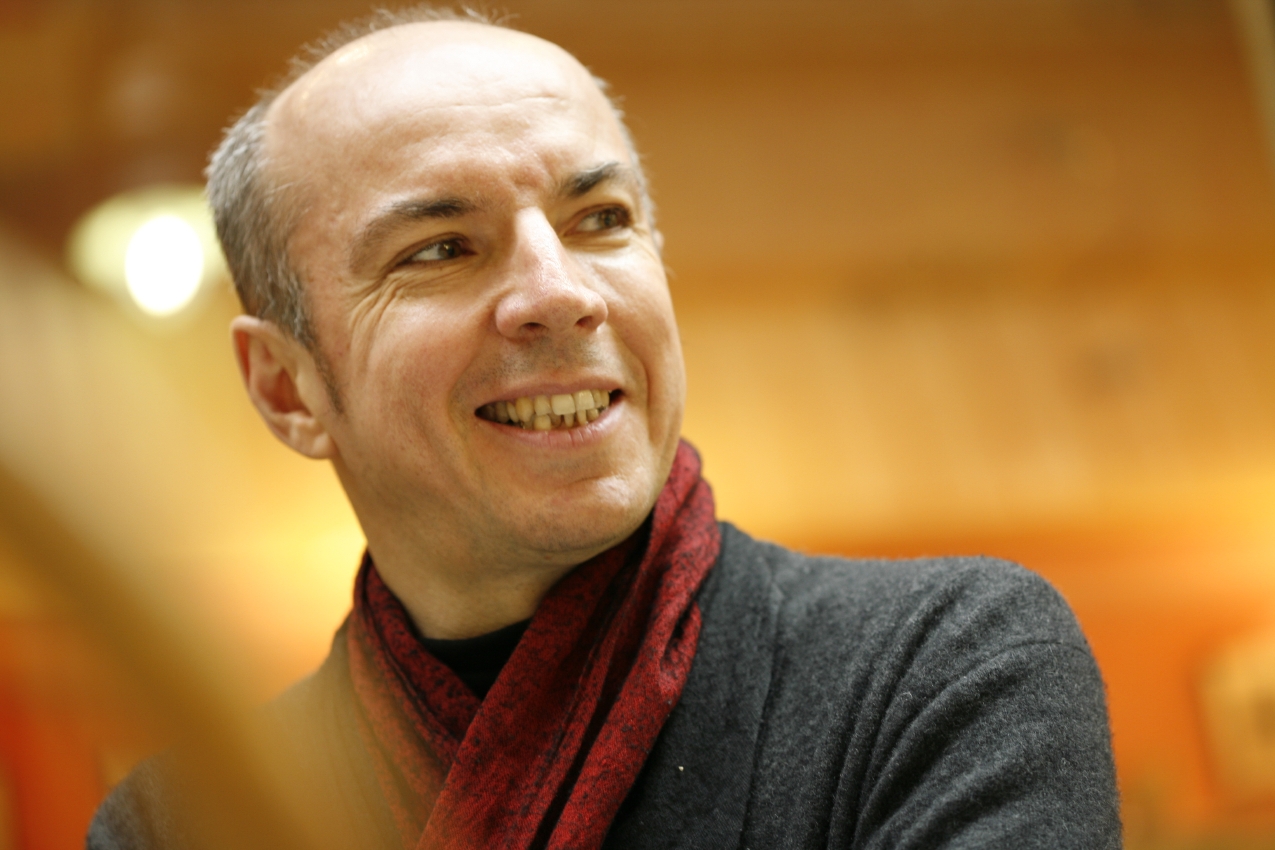
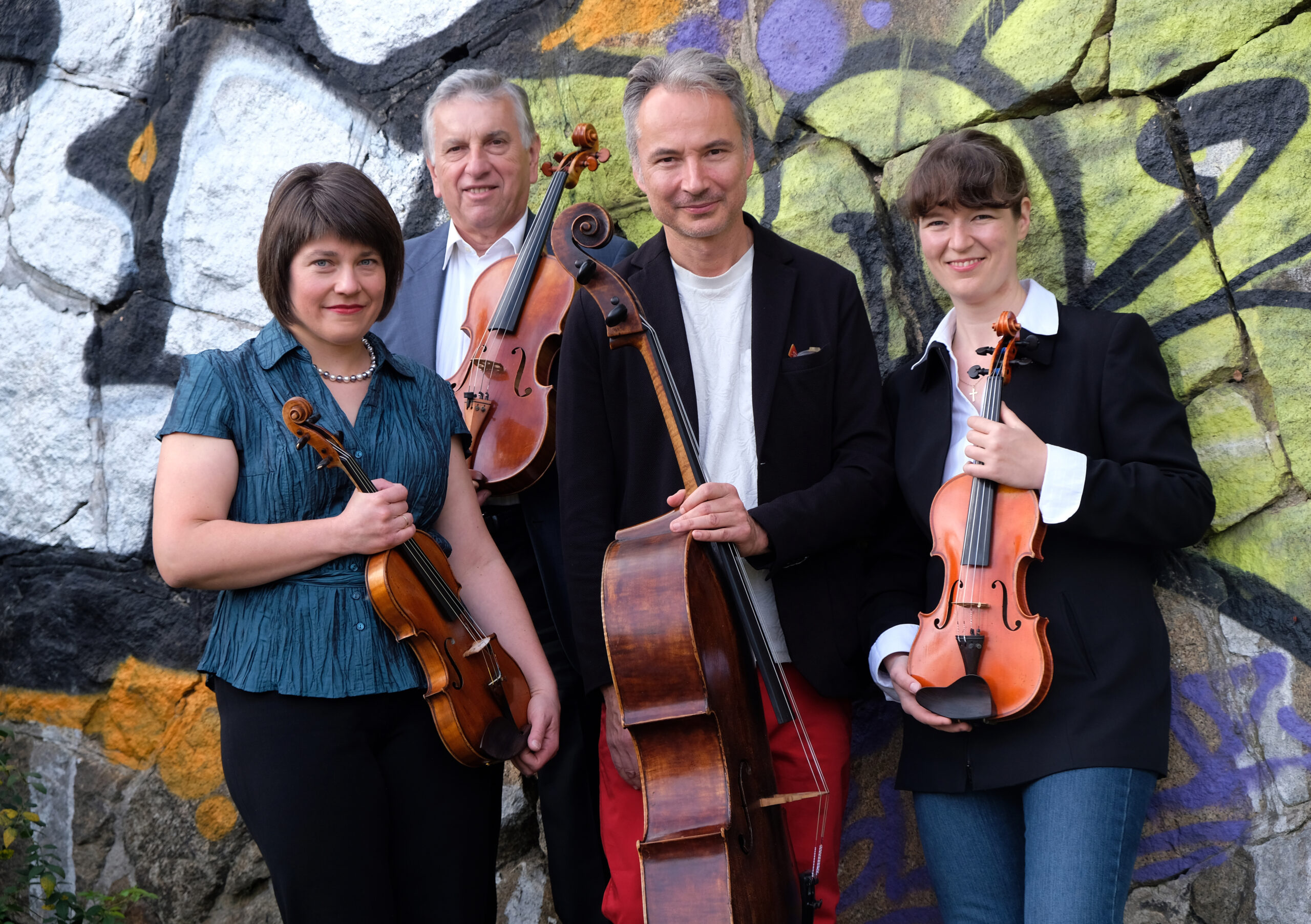
Filippo Faes and Pražák Quartet
Three concerts preceded by a conversation between the audience and the musicians, to reconnect with Beethoven’s thought, rediscovering his extraordinary relevance, strength, and ability to speak to our contemporary world
A performer must not simply execute notes:
he must recreate the profound reasons why those notes were written (and convey them to the listener)
Krystian Zimerman
What Beethoven left us is more than music: it is a vision of the world, entrusted to Mankind so that, by listening deeply, making their own, “resonating” with it, they could imagine and build a future of progress, overcoming pain, brotherhood, fullness of life, and joy.
Two hundred years after his death, going back to listen to his music and letting his spirit accompany us is a precious opportunity to ask ourselves how much of this legacy is still alive within us—and how much, instead, we have lost, thus jeopardizing the quality of our future.
Each evening’s performance will be preceded by a reference to one of the focal points of Beethoven’s thought and his appeal to humanity, inviting the audience to question how deeply they are still present in our contemporary lives.
First Vision: the Empathy
Every note written by Beethoven is a true “rallying call” addressed to humanity, to share and “chorally” overcome the cruelty of fate and the suffering it entails.
In today’s world, where empathy is suspected of weakness or sacrificed on the altar of efficiency, returning to listen to Beethoven means engagin with a far more radical conception of humanity: one that does not elude conflict, but embraces it as a shared responsibility.
It is an opportunity to reflect on whether technological advances have been matched by equally significant advances, or rather, setbacks, in our ethical thinking, which should be aimed at living in peace, safeguarding planet Earth for generations to come.
Second Vision: faith in humanity and in its ability to build the future world as we truly desire it. The vertigo of possibility
Beethoven believed deeply in humanity’s ability to transform the world through its own will. Not as an abstract hope, but as a concrete possibility, calling each individual to confront their own freedom and responsibility.
This faith was expressed not only in his music, but also had an irreversible impact on the very idea of the artist in society: no longer a servant or entertainer, but a free creator, capable of offering the community a vision, a direction, a possibility for the future.
The Beethovenian revolution is not just about aesthetics, but about humanity: it affirms that humanity, if given the opportunity to be free, can create works that do not celebrate power, but speak to all of mankind.
Today, at a time when faith in the possibility of influencing the future often appears weakened—especially among the younger generations—returning to listen to Beethoven means reconnecting with that vertigo: the awareness that the world is not given once and for all, but can still be imagined and transformed.
Third Vision: Joy
Yes, Joy understood in the Schillerian sense, which is a radical invitation to open oneself to life, to recognize brothers and sisters in others, and to transform the pain and harshness of fate into shared energy.
Schillerian Joy is free, powerful, demanding: it is not superficial entertainment, but full self-awareness in the heart of the world and in others. It is the strength that allows one to unite with others without subordinating oneself, to rejoice without delegating one’s freedom, to build authentic, not illusory, bonds.
Today, however, it is “sold” to the younger generations as a “high,” that is, a consumption and anesthesia of the senses—a form of entertainment that distracts from being fully human. Returning to listen to Beethoven means confronting his radical idea of happiness: a Joy that edifies, enlightens, and empowers, that makes us realize that living together, in respect and brotherhood, is still possible today.
Three programs for piano and string quartet:
Program A
Beethoven, Sonata for Piano and Cello No. 4 in C major, Op. 102, No. 1
Beethoven, Trio for Strings and Piano No. 6 in E-flat major, Op. 70, No. 2
Beethoven, String Quartet No. 13, Op. 130 in B-flat major
Program B
Beethoven, Sonata for Piano and Violin No. 10 in G major, Op. 96
Beethoven, Trio for Strings and Piano No. 7 in B-flat major, Op. 97 “Archduke”
Beethoven, String Quartet No. 15, Op. 132 in A minor
Program C
Beethoven, Sonata for Piano and Cello No. 5 in D major, Op. 102, No. 2
Beethoven, Great Fugue in B-flat major, Op. 133 for String Quartet
Beethoven, String Quartet No. 15, Op. 132 in A minor